Italy-Ghana Deepen on Cybersecurity Cooperation at Stakeholder Workshop in Accra
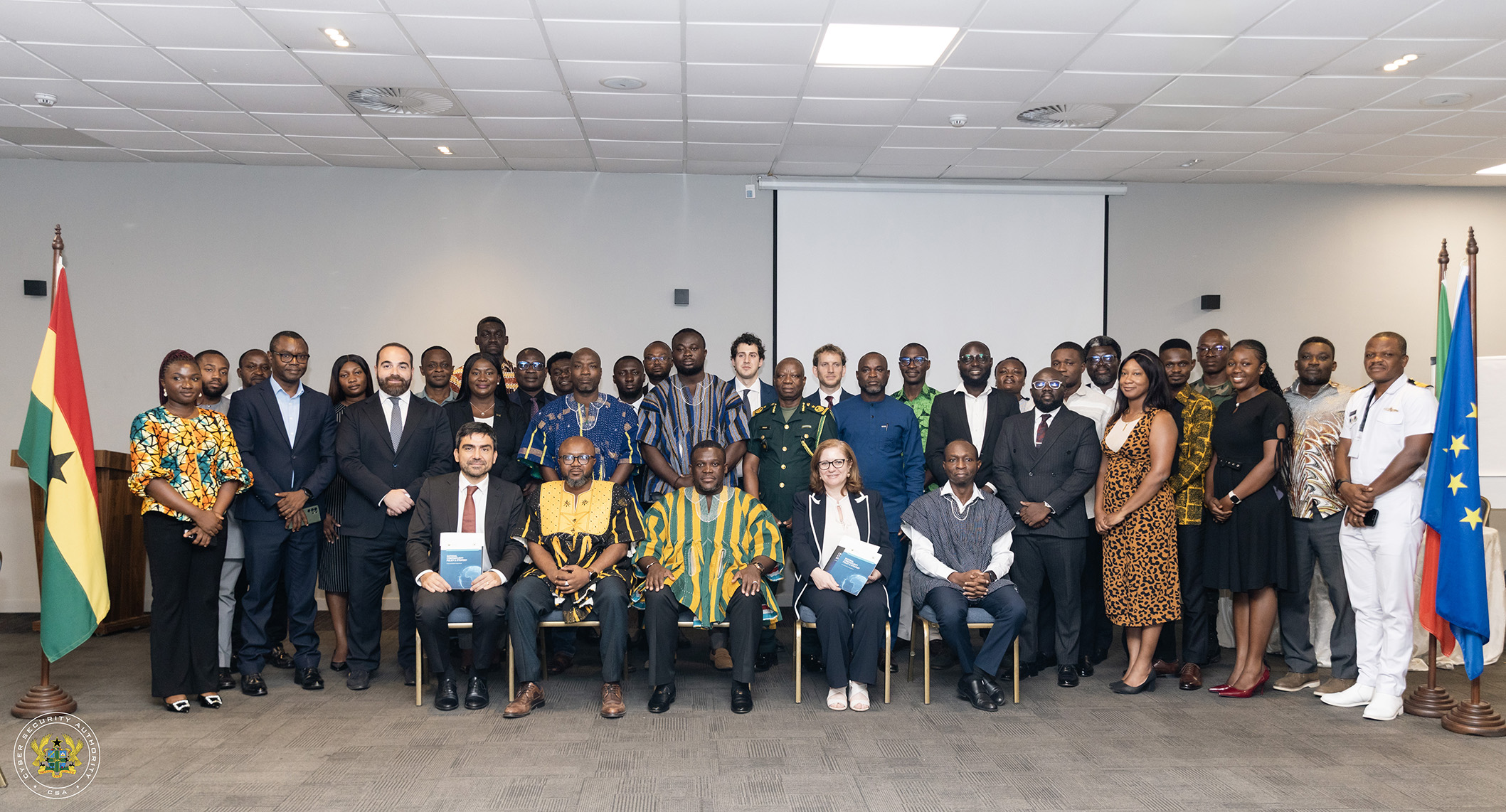
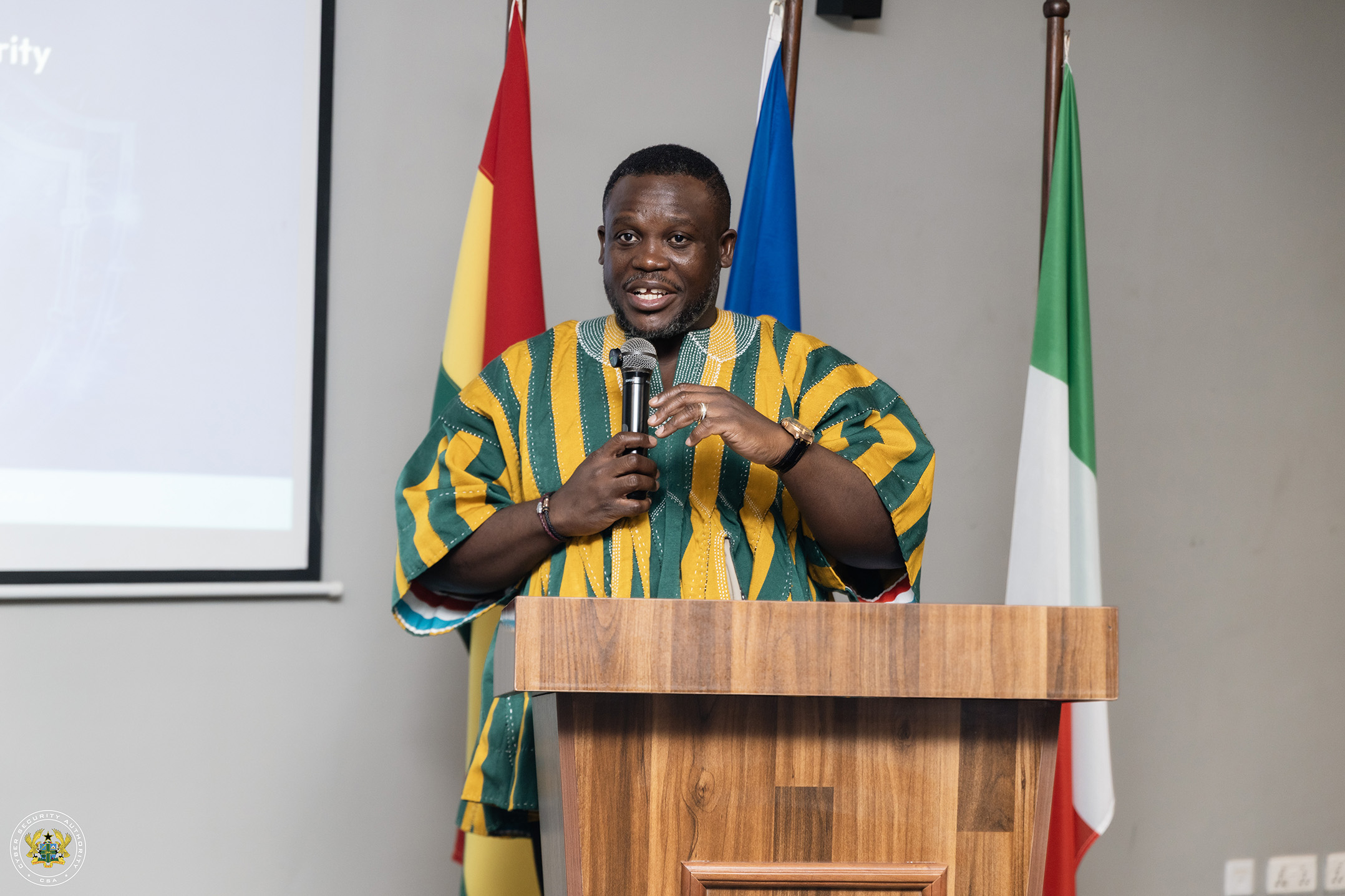 The Cyber Security Authority (CSA), in collaboration with Italy's National Cyber Security Competence Centre, Cyber 4.0, has hosted a high-level stakeholder workshop to strengthen the implementation of Ghana's National Cybersecurity Policy and Strategy (NCPS) in Accra. The event drew key dignitaries, including the Minister for Communication, Digital Technology, and Innovation, Hon. Samuel Nartey George; the Ambassador of Italy to Ghana, H.E. Laura Ranalli; the Director General of the CSA, Mr. Divine Selease Agbeti; and the Director of Cyber 4.0, Mr. Matteo Lucchetti.
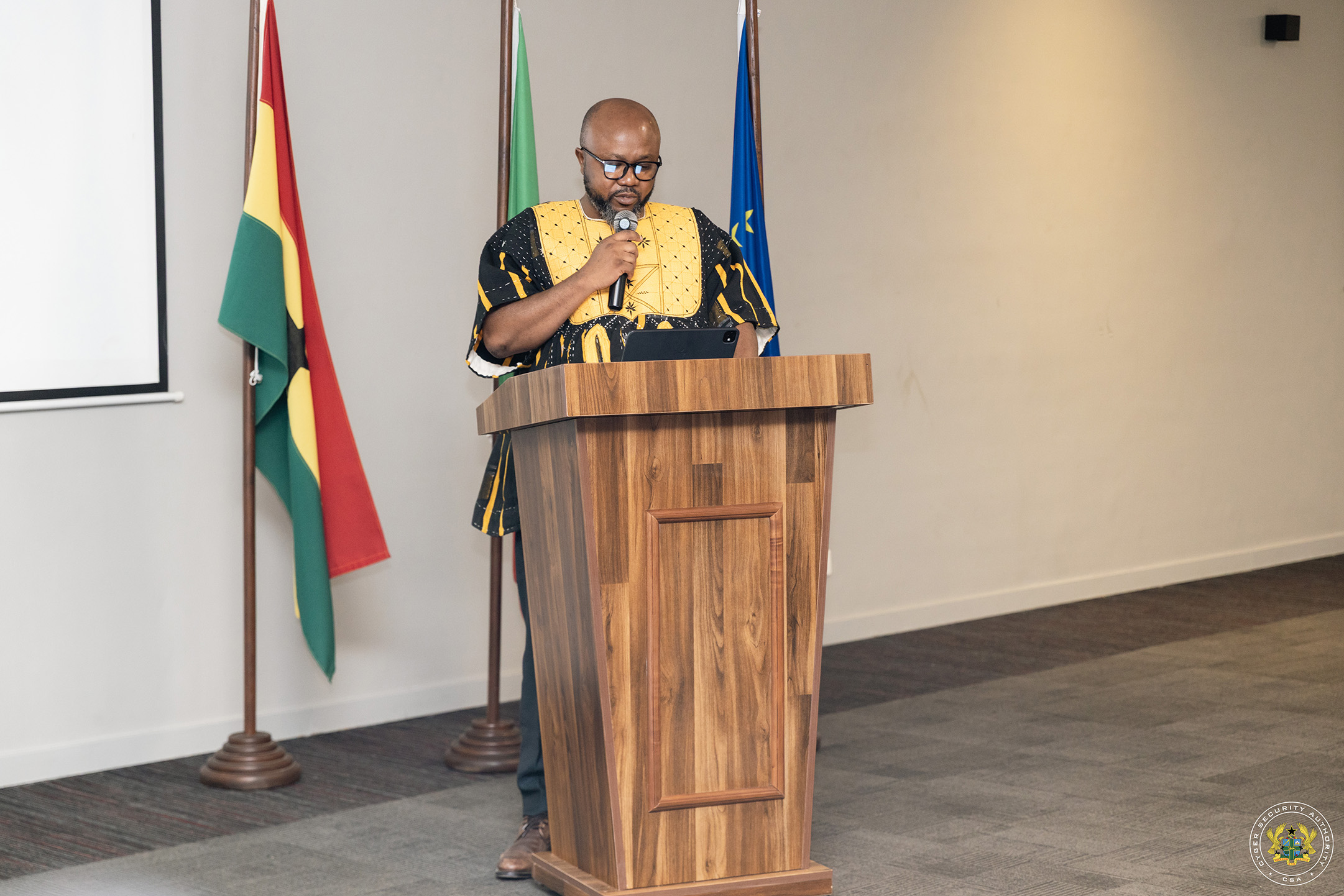
In his opening address to kick-start the workshop, the Director-General of the Cyber Security Authority of Ghana, Mr. Divine Selase Agbeti, noted that the workshop marked a shift from ideas to action, strengthened by regional and international collaboration. He added that the Italy-Ghana partnership aims to foster collaboration and enhance intelligence-sharing between Ghana and Italy to strengthen the cybersecurity ecosystems, policies, and frameworks of both countries.
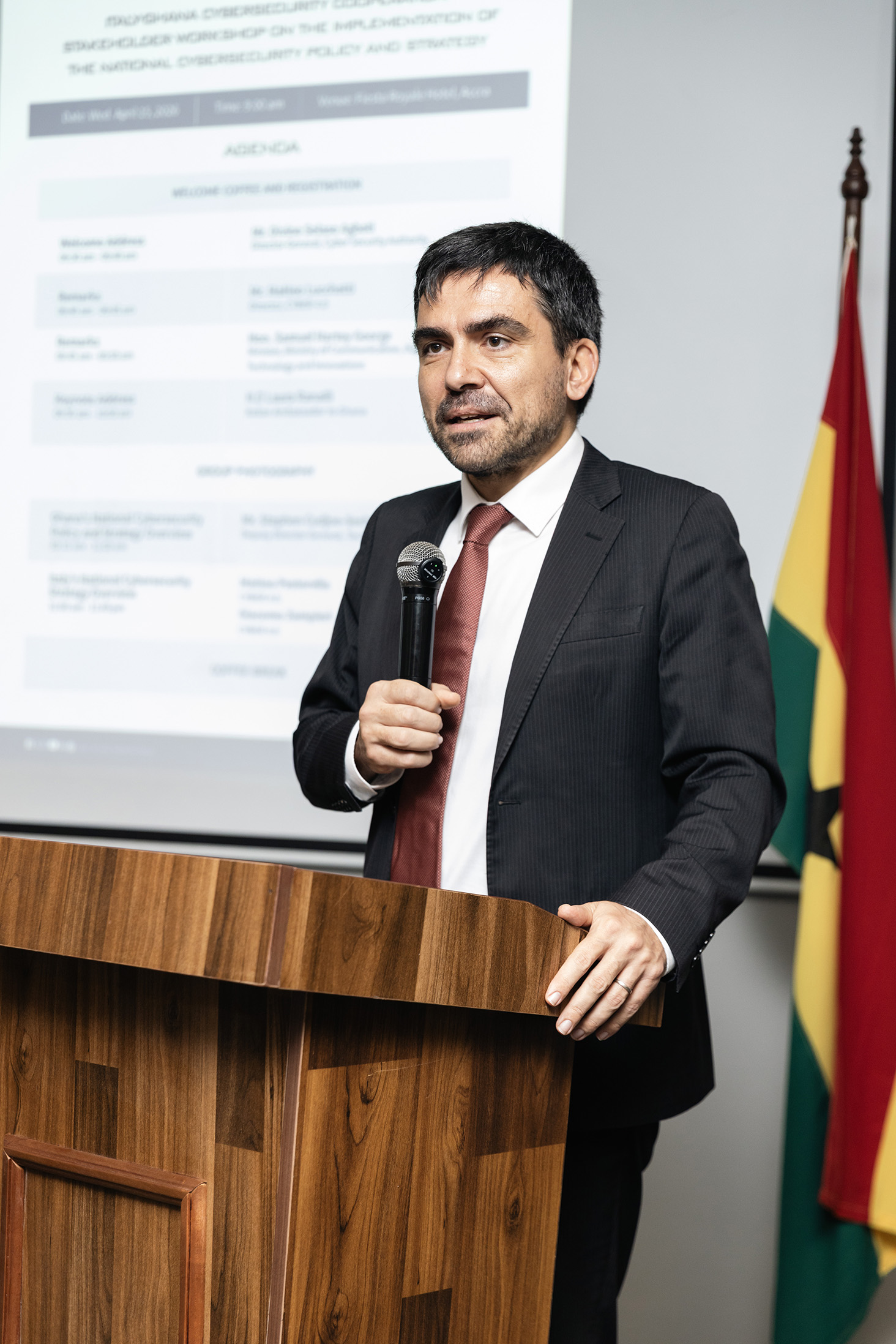
Stating his observation, the Director of Cyber 4.0, Mr. Lucchetti, noted the growing threat posed by AI-driven cyberattacks, of which Ghana is not excluded, while indicating that global cases continue to surge due to the proliferation of automated espionage tools. He added that the workshop reinforced the urgency of strengthened collaboration and averred that the partnership would be mutually beneficial, offering Italy valuable insights as it undertakes a review of its national cybersecurity strategy.
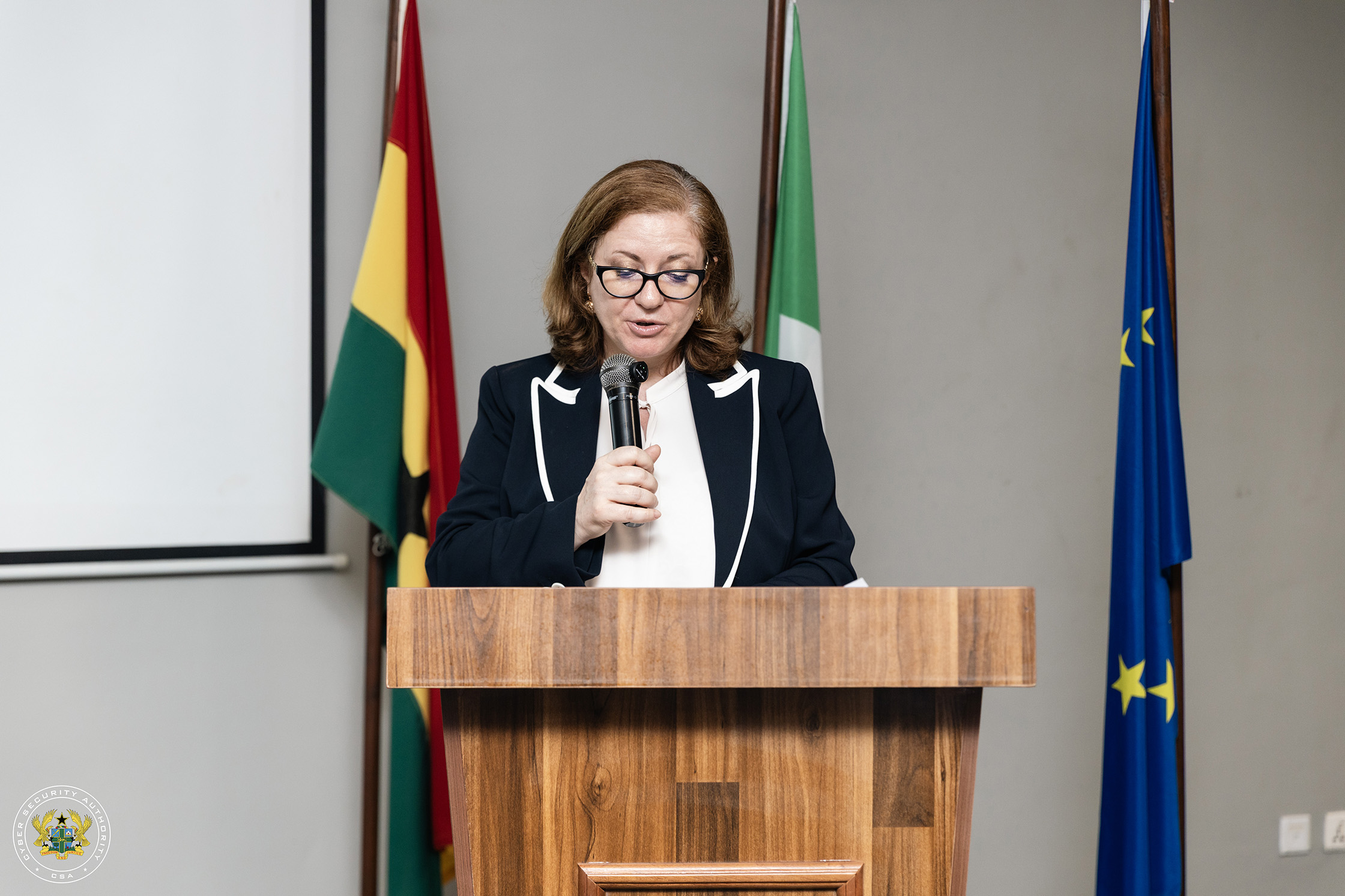
Sharing the Italian government’s perspective, the Ambassador of Italy to Ghana, H.E. Laura Ranalli, expressed the country's value of multilateralism to successfully cope with the challenges arising from the digital world. She noted that Italy is committed to working together to analyse the new threats, implement confidence-building measures, and carry out activities of cyber capacity building to create effective links between countries, share information and nurture partnerships.
Touching on the broader government’s commitment, the Minister for Communication, Digital Technology, and Innovations, Hon. Samuel George, noted that cybersecurity has become a central pillar of Ghana’s national development strategy, essential for safeguarding trust, protecting critical systems and enabling sustainable economic growth. He stressed the role of regulatory enhancements, such as certification and licensing of cybersecurity service providers and coordinated enforcement operations play in sanitising the ecosystem. The minister emphasised the need to collaborate in identifying and unlocking sustainable funding strategies for cybersecurity development in Ghana, drawing on Italy’s expertise and experience.
Both countries presented their national cybersecurity strategies, drawing on Italy's experiences. The Cyber 4.0 team outlined further actions that Ghana can take to achieve its five strategic NCPS imperatives.
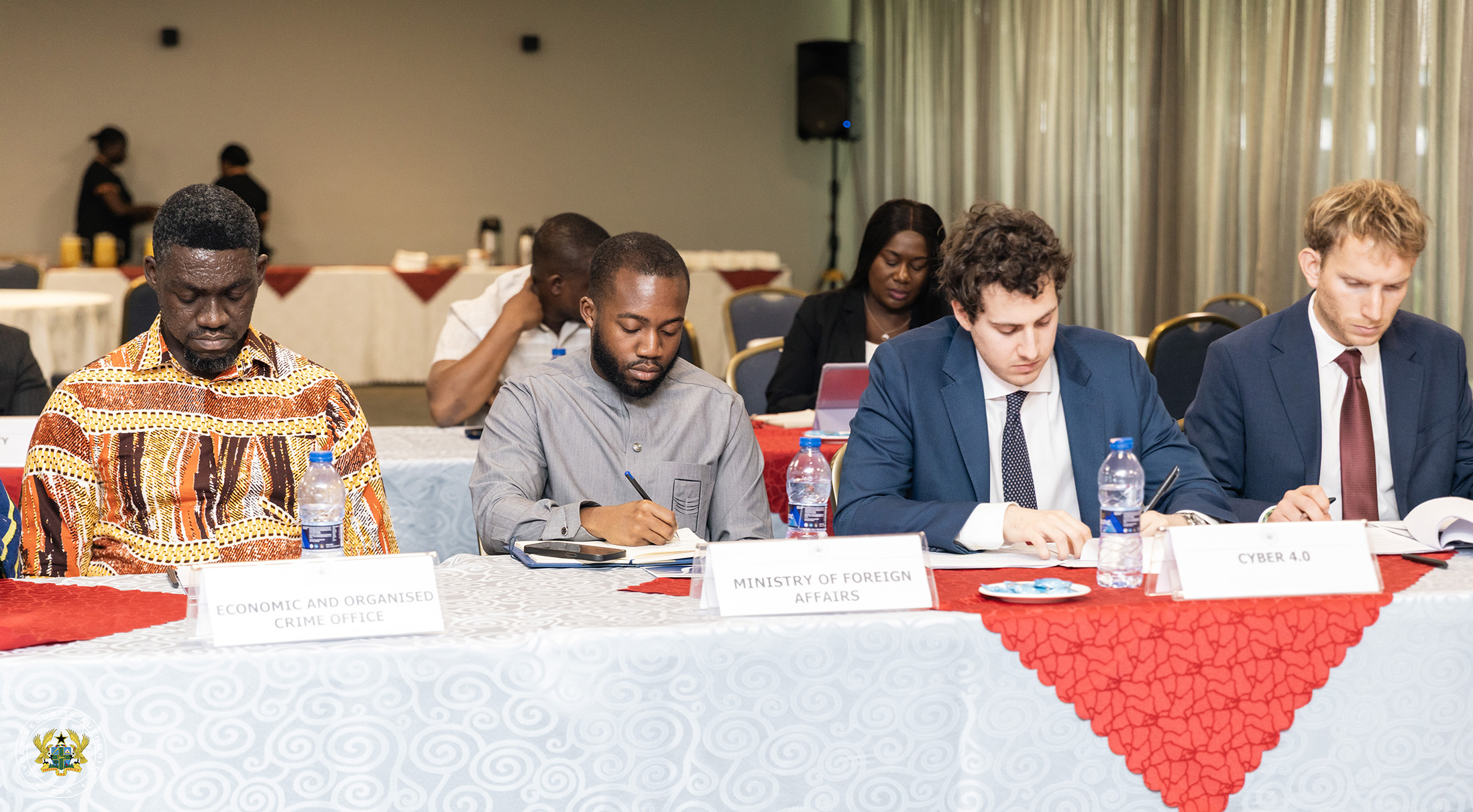
The workshop entailed stakeholder group discussions, focused on three pillars: raising awareness of NCPS, enhancing operational capacities, and advancing international engagement. The discussions resulted in insightful submissions that will be finalised into a report with measurable, actionable working points to guide follow-ups and structure the permanent cooperation with Italy for the implementation of Ghana’s NCPS, which will include calendared events in Italy and Ghana.
In his closing remark, Ag. Deputy Director-General in charge of Technical Operations at the CSA, Mr. Stephen Cudjoe-Seshie, underscored the need for continuity, describing the engagement as the beginning of a significant Ghana–Italy partnership. He assured participants that the initiative would extend beyond dialogue, with a clear focus on implementing concrete actions and delivering measurable results.
In attendance at the workshop were members of the Joint Cybersecurity Committee of Ghana, representatives of the Industry Forum and other relevant stakeholders.
Social Media Links
Events and Gallery

Advisories
Government Advisory
Business Advisories
Public Advisories
Children Advisories
