Stakeholders Engage on the Implementation of COP Policies for Persons with Disability
 When children face danger online, help is often just a click away. But for many children with disabilities in Ghana, that help may be out of reach.
That stark reality dominated discussions at a high-level consultative workshop on the Child Online Protection Framework organised by the Cyber Security Authority (CSA) as part of events marking the National Cyber Security Awareness Month 2025, where policymakers and advocates acknowledged that Ghana’s current child online protection systems are not fully accessible to some of the country’s most vulnerable users.
Officials admitted that while reporting platforms exist, many are not designed for persons with disability and this includes children who are visually impaired, deaf, or have cognitive challenges, raising concerns that abuse may go unreported.
“We have systems in place, but not all children can use them,” one participant observed during the session.
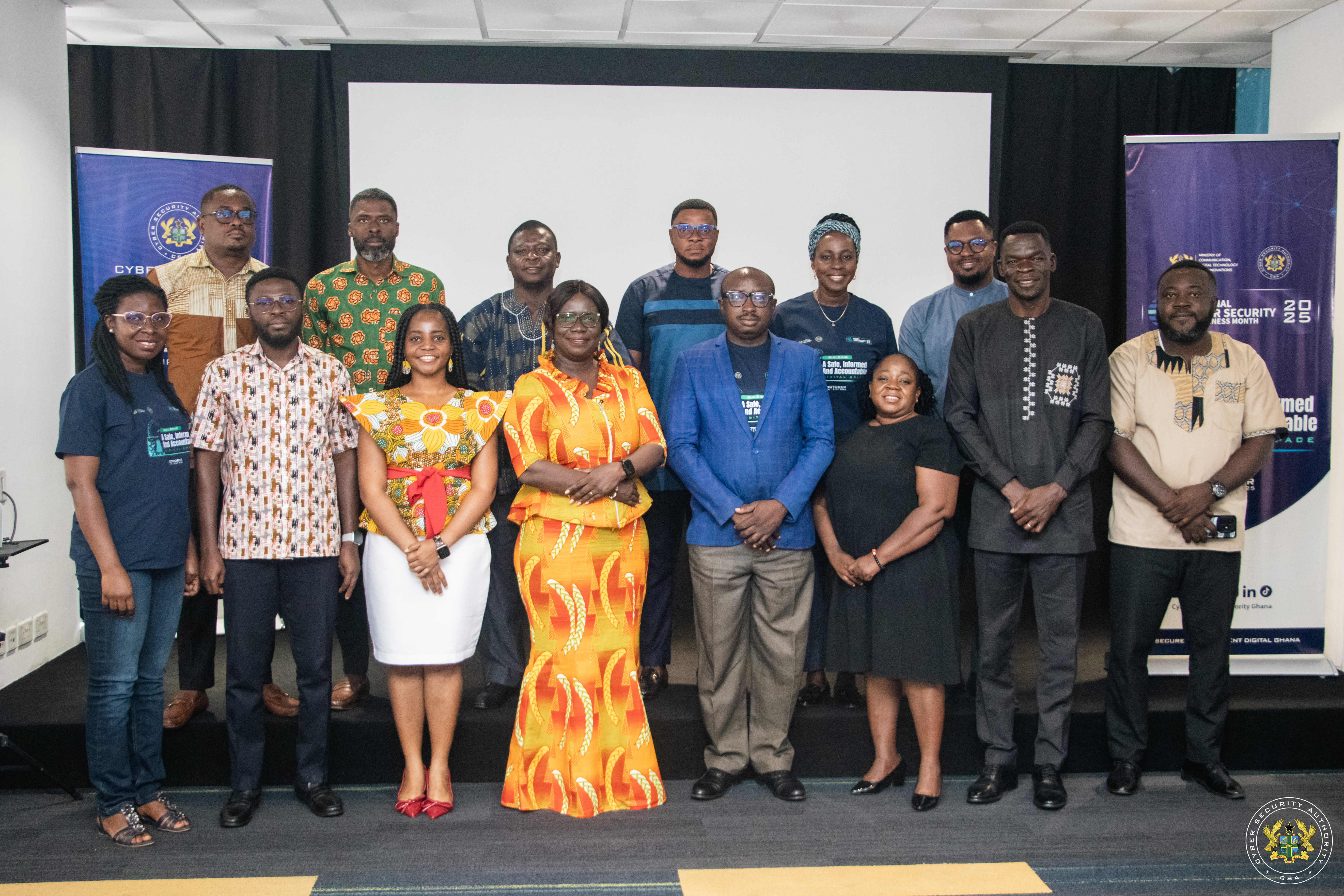
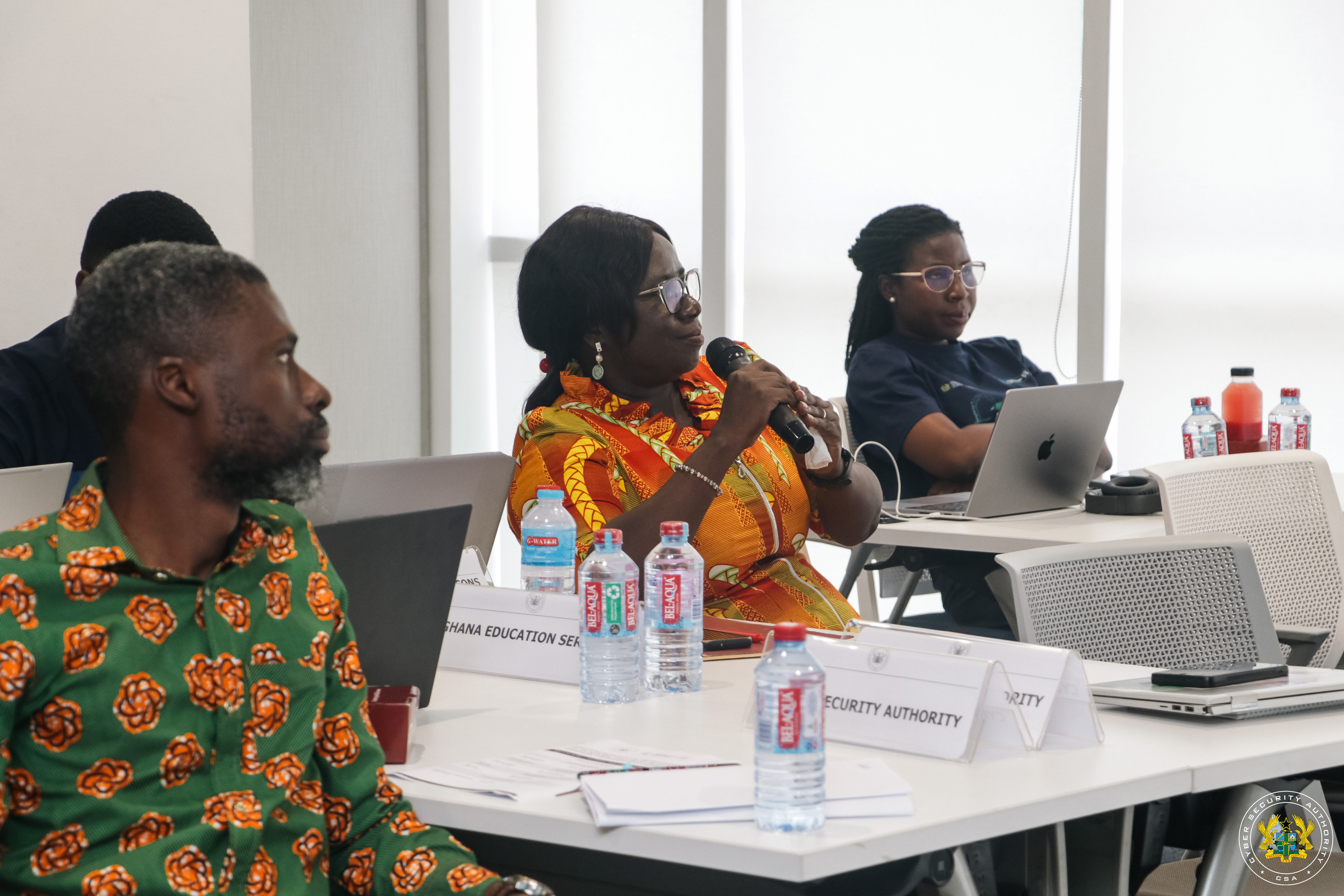
The workshop brought together key players, including UNICEF Ghana, the Ghana Education Service, and the National Council on Persons with Disabilities, to examine how the National Child Online Protection (COP) Framework can be implemented to be truly inclusive.
A major focus of the discussion centred around responsibility; who should handle reports coming through disability-friendly channels, and whether existing institutions have the capacity to respond effectively.
Participants also pointed to a deeper structural problem, accessibility often ends at reporting, with little attention given to how affected children navigate the response process afterward.
In response, stakeholders proposed concrete reforms, including the introduction of sign language-supported reporting tools, text-to-speech features, and the integration of online safety into special education curricula.
They also called for the creation of a dedicated multi-agency task force to pilot inclusive protection systems and for sustained funding to support these efforts.
Beyond policy, the discussions highlighted a broader shift in thinking: that digital safety must be designed with—not for—children with disabilities.
For now, the workshop marks an important step. But as participants noted, the real test will be whether these commitments translate into systems that every child can actually use.
Social Media Links
Events and Gallery

Advisories
Government Advisory
Business Advisories
Public Advisories
Children Advisories
